European Shorthair: Everything you need to know about the breed
Quick facts about the European Shorthair breed
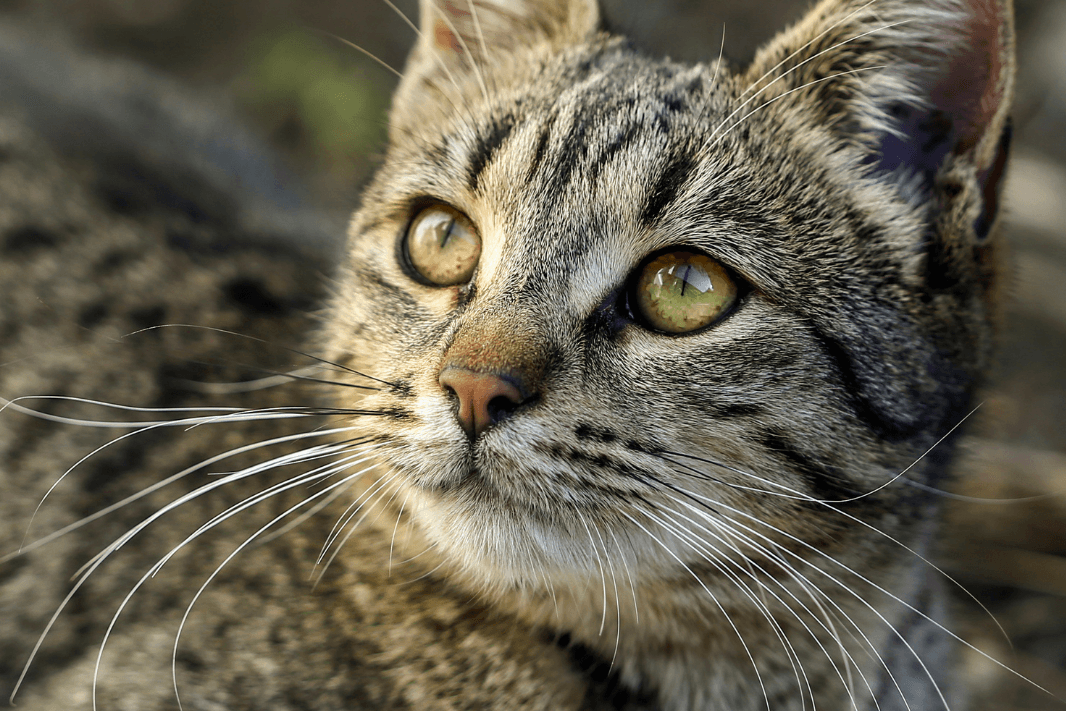
Weight: 3.5 - 7 kgHeight at the withers: 23 - 30 cmEnergy level: MediumLifespan: 12 - 18 yearsSocial needs: MediumColours: Usually grey with a tabby (striped) pattern. Other colours include black, tortoiseshell, red, and cream.Health issues: Generally healthy, with no known hereditary breed-specific diseases.
Personality of the European Shorthair
The European Shorthair, often called a 'Euro', is an active, curious, and friendly cat. They're easygoing, enjoy company, and usually get on well with other cats and children. As a loyal and sociable breed, they love cuddles with their humans. However, the European Shorthair also needs plenty of play and mental stimulation due to their high energy levels. They often make good outdoor cats, which helps satisfy their hunting instinct and need for adventure. If kept indoors, ensure they have plenty of enrichment, such as cat trees and toys.
Appearance and grooming
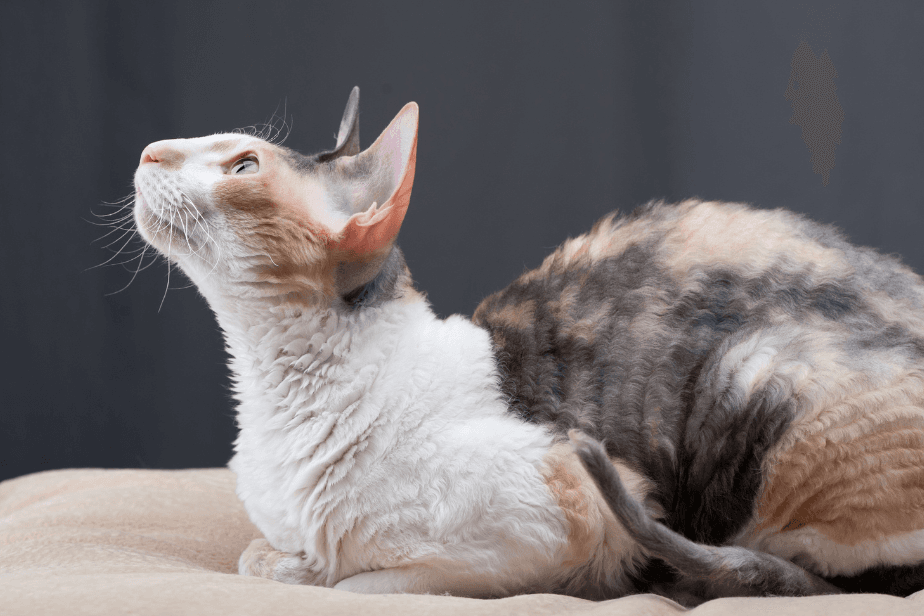
The European Shorthair has a proportionate, muscular build with medium-length legs, closely resembling the traditional farm cat or the typical mixed-breed cat. Their coat is short and often striped (tabby), though tortoiseshell and smoke patterns also occur. To keep their coat healthy and minimise shedding around the home, brush or comb them regularly. Increase grooming frequency during shedding seasons.
European Shorthair vs. Domestic Cat
It's easy to mistake a European Shorthair for a domestic cat, as they look similar and domestic cats often share ancestry with the breed. However, European Shorthairs always have a pedigree and documented lineage, unlike domestic cats. Breeding is also regulated similarly to other purebred cats.
Health of the European Shorthair
The European Shorthair is generally a very healthy and robust breed, not particularly prone to illness. No specific hereditary diseases are known for this breed. However, like all cats, they can still develop common health problems and other feline diseases.
Dental Health
Did you know your cat's teeth need brushing? Daily brushing is the best way to prevent gum disease (periodontitis). Learn more about it here. Dental disease FORL is common in cats and often linked to periodontitis. Brushing your cat's teeth can be challenging, but with patience and treats, they'll eventually get used to it. Find out how to brush your cat's teeth here. Discover more about cat dental care here.
Poisoning
Many common household items can be poisonous to cats. For example, certain plants can be toxic – learn which plants are poisonous to your cat here. Other dangerous substances include chocolate and mousses and rat poisons. Always store dangerous items safely out of reach of your cat.